Blue noise tiles well, but how well exactly? This page is a quick reference to answer that question. it compares blue noise textures, white noise textures, and FAST “box noise” textures. It also compares blue noise point sets and white noise point sets.
Blue Noise Textures
I started with some blue noise textures made with the void and cluster algorithm that you can download here: http://momentsingraphics.de/?p=127
I took a 16×16, 32×32, 64×64, 128×128, 256×256 and tiled each of those to make 512×512 images.
Here are the source RGBA images:


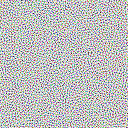
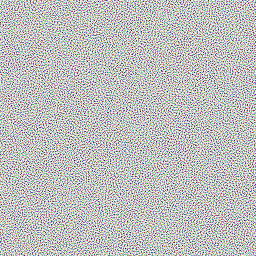
Here are the output images, where I used only the R channel of each image.
16×16:
32×32:
64×64:
128×128:
256×256:
Something to note is that blue noise is supposed to tile well by nature. It is made up of high frequencies only, which means there aren’t low frequency patterns that show up and are visible to the eye.
Here’s an interesting read showing how that can be used to make textures (art) that tile better:
https://www.gamasutra.com/view/feature/131482/the_power_of_the_high_pass_filter.php
White Noise Textures
Here are the same sized white noise textures. These white noise textures were made by filling a texture with index % 256 and then shuffling the result, so they have a flat histogram.


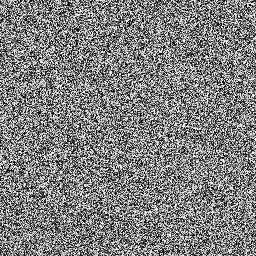
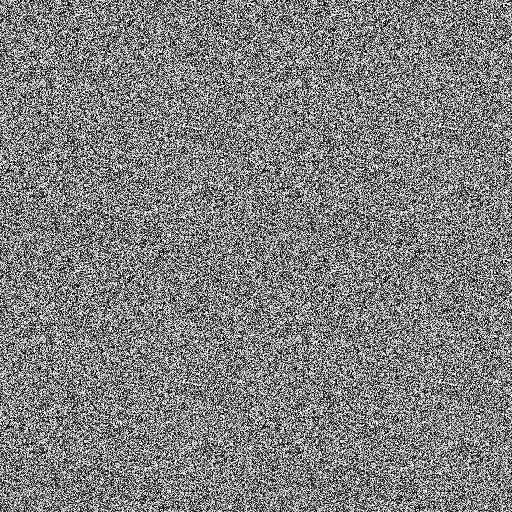
Now we tile the textures like we did before to make a 512×512 image. The tiling is a lot more noticeable than the tiled blue noise textures.
16×16:
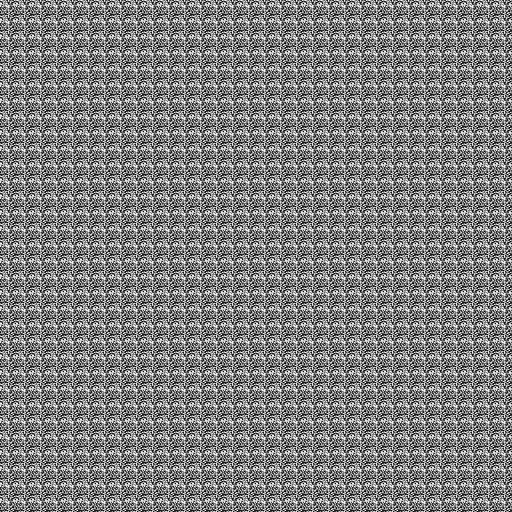
32×32:
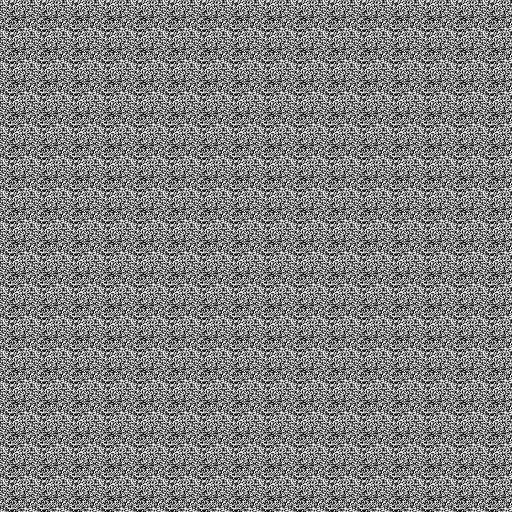
64×64:
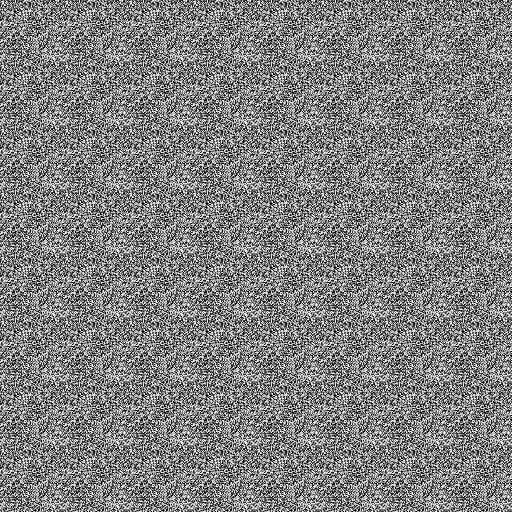
128×128:
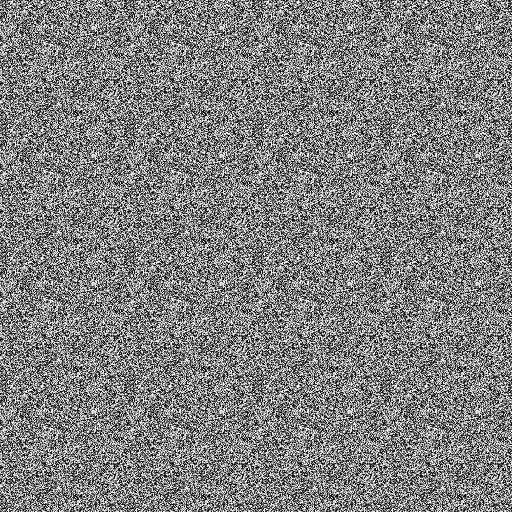
256×256:
FAST Box Noise
Here is FAST noise optimized for a 3×3 box filter over space. In contrast, blue noise is optimized for a gaussian filter over space which also happens to optimize for perceptual quality. You can read more about FAST noise here: https://github.com/electronicarts/fastnoise


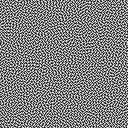
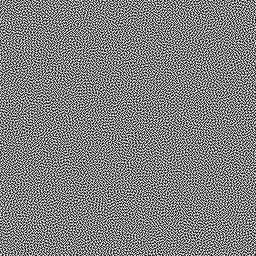
And now we tile them to make 512×512 images. Notice that they tile well like the blue noise textures did.
16×16:

32×32:

64×64:

128×128:

256×256:

Blue Noise Point Sets
Blue noise point sets also tile well. Here is a point set with 1000 points, made with the Mitchell’s Best Candidate algorithm (https://blog.demofox.org/2017/10/20/generating-blue-noise-sample-points-with-mitchells-best-candidate-algorithm/)
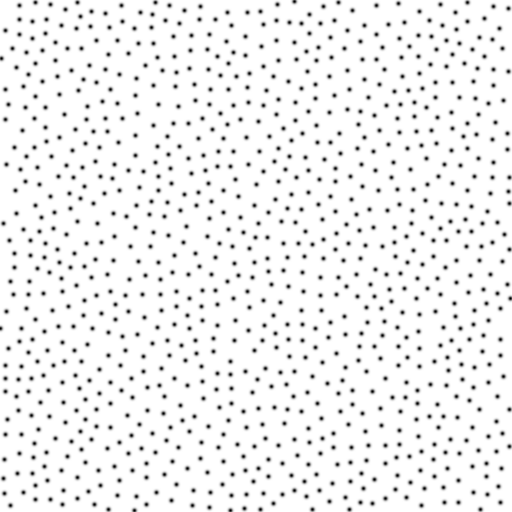
Here it’s tiled 2×2 times:
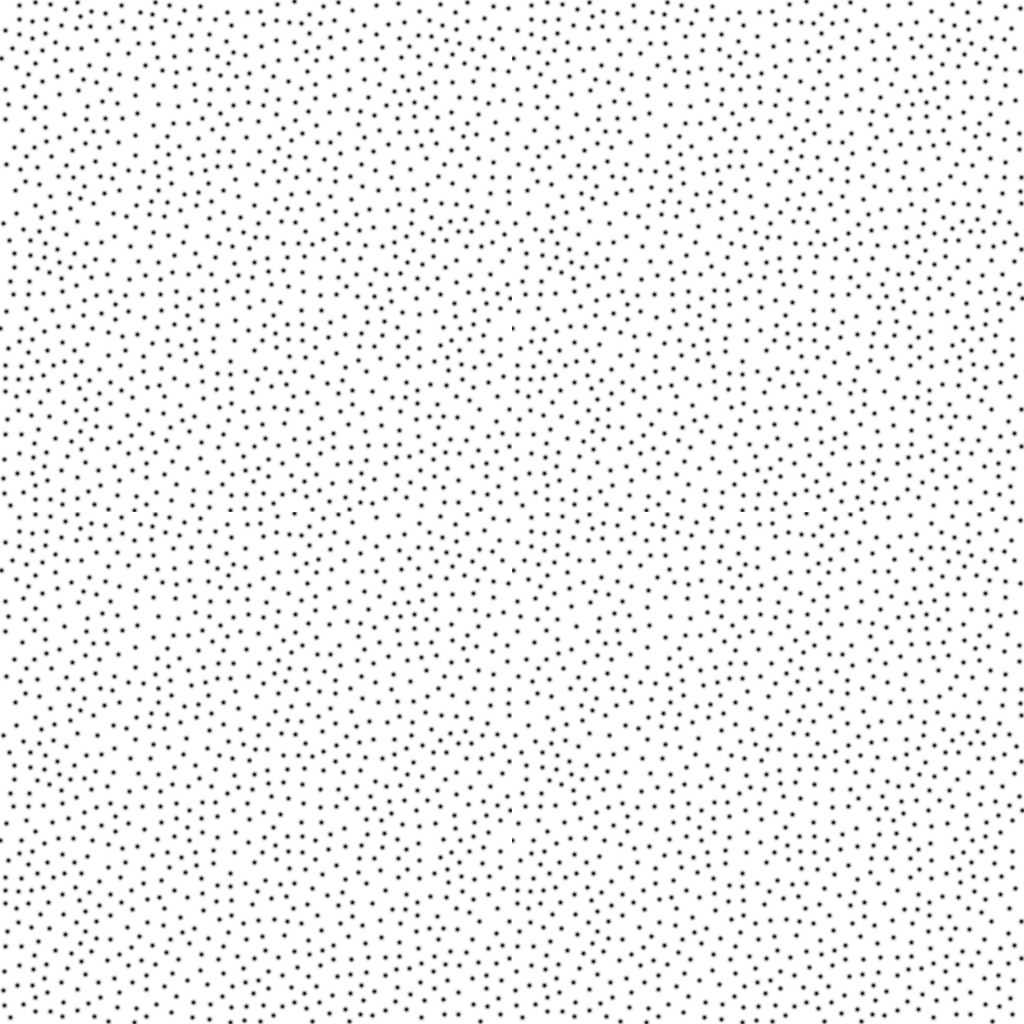
3×3 times:
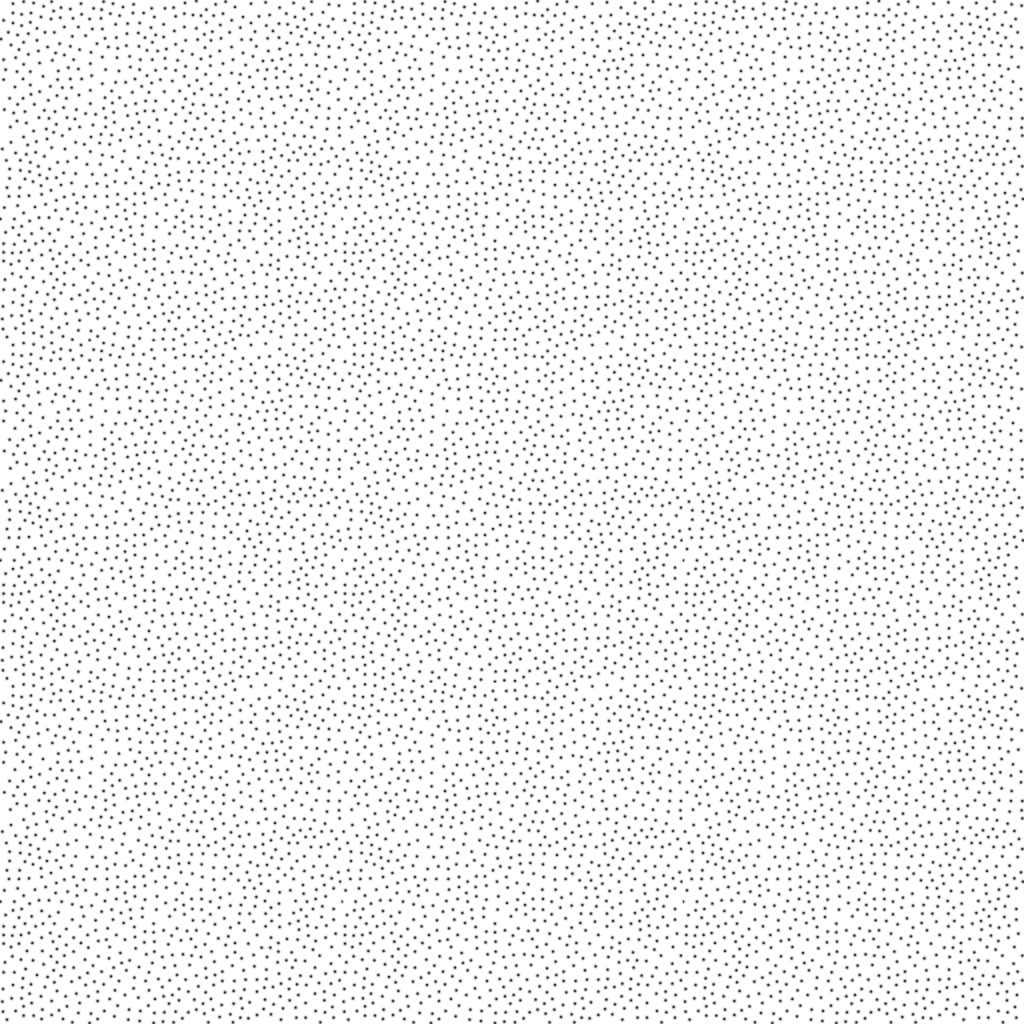
4×4 times:

8×8 times:

White Noise Points
Here are 1000 uniform random white noise points
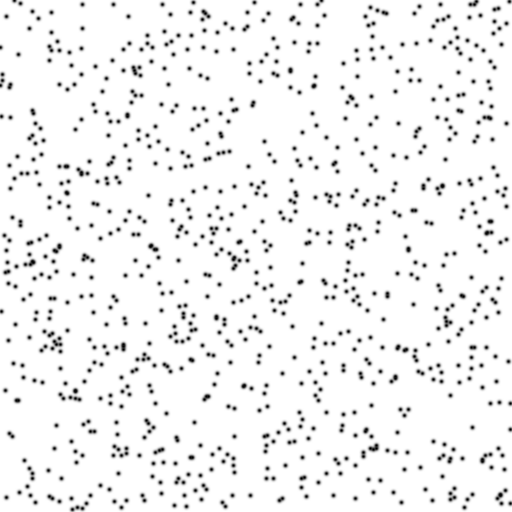
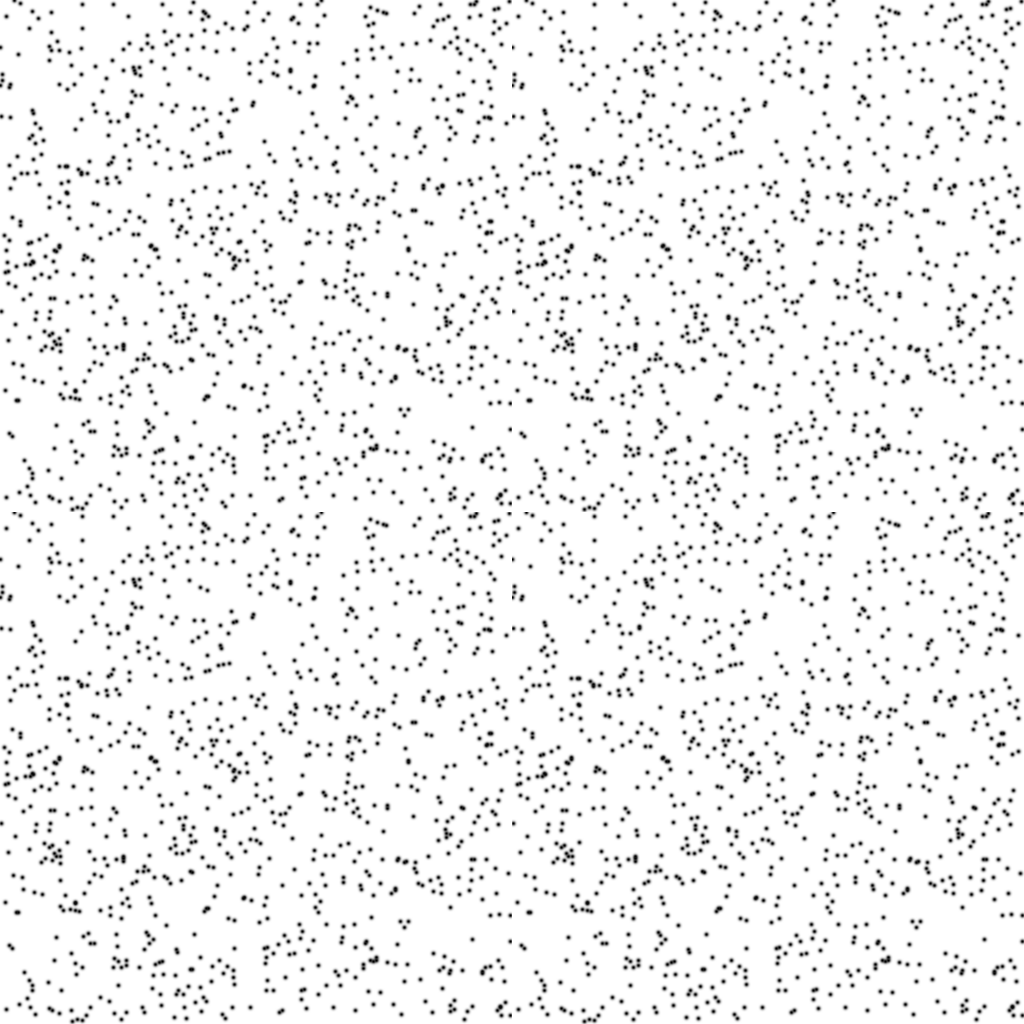
We’ll tile it in the same way. Notice how the tiling is a lot more obvious than the blue noise point sets.
Tiled in the same ways, here is 2×2:
3×3:
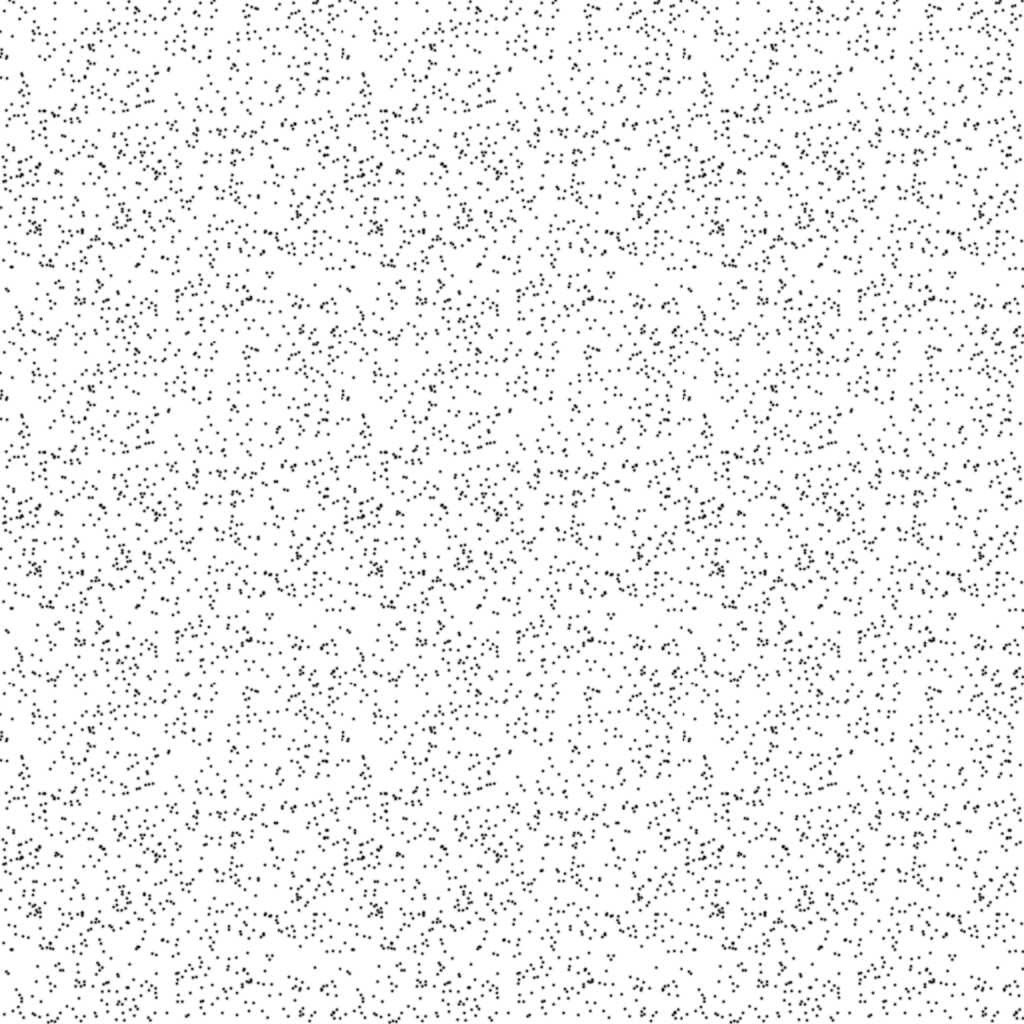
4×4:

8×8:

 The blog at the bottom of the sea